
Amazing things you should know about the cleanest village of Asia
- Alfaraz Laique
- 18 July, 2023
- 2 mins ago
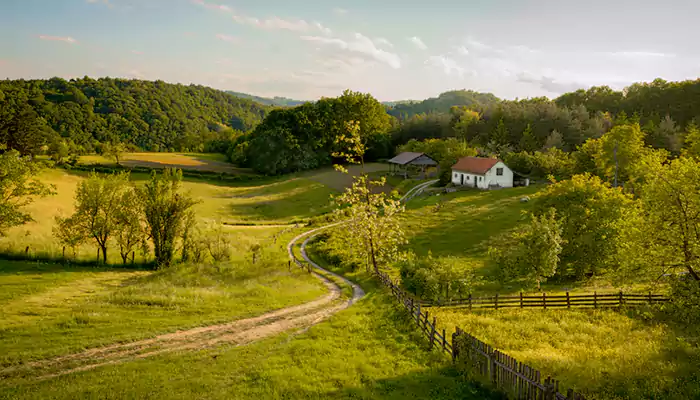
Amazing things you should know about the cleanest village of Asia
Welcome to the enchanting world of Mawlynnong, a small village nestled in the verdant hills of Meghalaya, India. Known as the cleanest village in Asia, Mawlynnong is an extraordinary place where nature's beauty and human ingenuity coexist harmoniously.
From its unwavering commitment to environmental consciousness to its impeccable hygiene practices and unique matrilineal society, Mawlynnong offers a glimpse into a way of life that is both enlightening and inspiring.
Environmental consciousness - The villagers have embraced the philosophy of living in harmony with nature, and their actions speak volumes about their commitment to preserving the environment. One remarkable practice that sets Mawlynnong apart is its strict ban on plastic. Plastic bags are non-existent here, as the villagers firmly believe in using eco-friendly alternatives like bamboo baskets or cloth bags. This simple yet effective step has helped keep the village pristine and free from plastic pollution. You'll also notice an absence of litter on the streets – thanks to community-led efforts to maintain cleanliness at all times. Each morning, before beginning their day, residents gather together to sweep the pathways and pick up any stray piece of trash. It’s this collective effort that keeps Mawlynnong sparkling clean.
Hygiene practices- One of the most remarkable aspects of this cleanest village in Asia is its impeccable hygiene practices. From the moment you step foot into this quaint village, you can't help but notice how clean and well-maintained everything is. The streets are spotless, with no litter or debris in sight. The houses are immaculate, with beautifully manicured gardens and pristine surroundings. Residents take great pride in maintaining a high standard of hygiene, both within their homes and in public spaces. Every household has designated waste disposal areas where they segregate their garbage for recycling. This not only helps to keep the environment clean but also promotes sustainable living practices. Additionally, regular cleaning drives are organized by the community to ensure that public spaces remain free from dirt and clutter.
Matrilineal society- Matrilineal society is a fascinating aspect of the cleanest village in Asia. It challenges traditional norms and offers a unique perspective on family dynamics and gender roles. In this matrilineal society, lineage is traced through the female line. This means that inheritance, property rights, and even decision-making power primarily pass down from mother to daughter. It's an intriguing departure from the typical patriarchal structure found in many societies around the world. Women play a prominent role in both household affairs and community governance. They take charge of economic activities, manage finances, and make important decisions for their families. This empowerment extends beyond domestic life, as women also participate actively in local politics and hold leadership positions within their communities.
Welcome to the enchanting world of Mawlynnong, a small village nestled in the verdant hills of Meghalaya, India. Known as the cleanest village in Asia, Mawlynnong is an extraordinary place where nature's beauty and human ingenuity coexist harmoniously.
From its unwavering commitment to environmental consciousness to its impeccable hygiene practices and unique matrilineal society, Mawlynnong offers a glimpse into a way of life that is both enlightening and inspiring.
Environmental consciousness - The villagers have embraced the philosophy of living in harmony with nature, and their actions speak volumes about their commitment to preserving the environment. One remarkable practice that sets Mawlynnong apart is its strict ban on plastic. Plastic bags are non-existent here, as the villagers firmly believe in using eco-friendly alternatives like bamboo baskets or cloth bags. This simple yet effective step has helped keep the village pristine and free from plastic pollution. You'll also notice an absence of litter on the streets – thanks to community-led efforts to maintain cleanliness at all times. Each morning, before beginning their day, residents gather together to sweep the pathways and pick up any stray piece of trash. It’s this collective effort that keeps Mawlynnong sparkling clean.
Hygiene practices- One of the most remarkable aspects of this cleanest village in Asia is its impeccable hygiene practices. From the moment you step foot into this quaint village, you can't help but notice how clean and well-maintained everything is. The streets are spotless, with no litter or debris in sight. The houses are immaculate, with beautifully manicured gardens and pristine surroundings. Residents take great pride in maintaining a high standard of hygiene, both within their homes and in public spaces. Every household has designated waste disposal areas where they segregate their garbage for recycling. This not only helps to keep the environment clean but also promotes sustainable living practices. Additionally, regular cleaning drives are organized by the community to ensure that public spaces remain free from dirt and clutter.
Matrilineal society- Matrilineal society is a fascinating aspect of the cleanest village in Asia. It challenges traditional norms and offers a unique perspective on family dynamics and gender roles. In this matrilineal society, lineage is traced through the female line. This means that inheritance, property rights, and even decision-making power primarily pass down from mother to daughter. It's an intriguing departure from the typical patriarchal structure found in many societies around the world. Women play a prominent role in both household affairs and community governance. They take charge of economic activities, manage finances, and make important decisions for their families. This empowerment extends beyond domestic life, as women also participate actively in local politics and hold leadership positions within their communities.