
Epic similarities between Indian and West Indian culture
Today, we are going on a journey that explores the fascinating similarities between Indian and West Indian culture. From diverse ethnicities to vibrant music and dance, these two cultures have woven together a tapestry of shared traditions
Prepare to be amazed by the epic connections that bind India and the West Indies in ways you may never have imagined. Let's dive right in!
Diverse ethnicities- Diverse ethnicities are at the core of both Indian and West Indian cultures, adding a rich tapestry of traditions, languages, and customs. In India, with its vast landscape and long history, one can find an astounding array of ethnic groups coexisting harmoniously. From the Punjabis in the north to the Tamils in the south, each region boasts its own unique cultural identity. Similarly, in the West Indies, which comprises multiple Caribbean islands such as Jamaica, Trinidad and Tobago, Barbados, and Guyana among others, a melting pot of diverse peoples has shaped its vibrant culture. Descendants of African slaves brought over during colonial times blend with indigenous communities and those from East Indian heritage who arrived as indentured laborers.
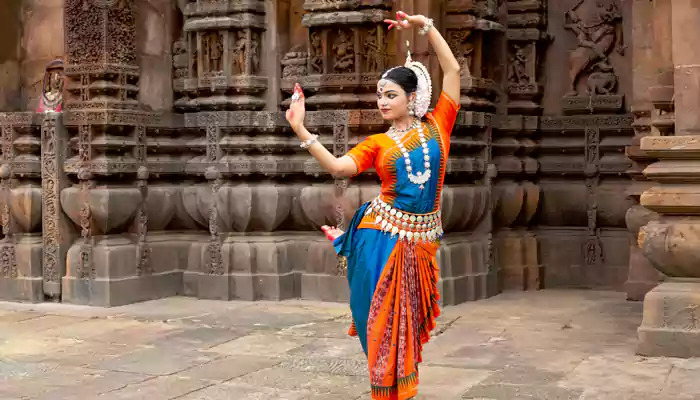
Music and dance- Music and dance are integral parts of both Indian and West Indian cultures, showcasing their vibrant and rich traditions. In India, various classical dance forms like Bharatanatyam, Kathakali, Odissi, and Kathak have evolved over centuries. Each dance form has its own unique style, costumes, and storytelling techniques that reflect the cultural diversity of the country. Similarly, in the West Indies, music genres such as reggae from Jamaica, calypso from Trinidad and Tobago, Soca from Barbados and other Caribbean islands have gained global recognition. The infectious beats of these genres compel people to move their bodies rhythmically. Indian music is characterized by a wide range of instruments like the sitar, table, flute, and veena. These instruments produce melodious tunes that resonate with emotions. On the other hand, the steelpan drum is widely associated with West Indian music.
Colonial history- The colonial history of both India and the West Indies is a fascinating aspect that showcases their shared experiences under foreign rule. Despite being geographically distant, these two regions have been deeply impacted by colonization. In India, the British Raj lasted for nearly 200 years, leaving an indelible mark on its culture, politics, and economy. The introduction of English as an official language and the implementation of British laws significantly influenced Indian society. Similarly, in the West Indies, various European powers such as Britain, Spain, France, and the Netherlands established colonies during different periods. Colonialism brought about complex changes in both regions. It led to cultural exchange between Indians and Westerners in terms of clothing styles and cuisine preferences.