
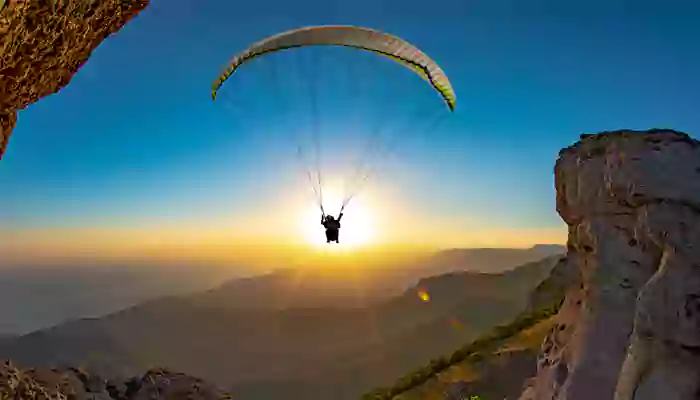
Paragliding tips you should know
Paragliding is an exhilarating experience, one that enables you to soar through the sky and take in amazing views. If you’re new to the sport, however, it can be a bit daunting. With that said, having a few paragliding tips up your sleeve can make all the difference when it comes to this thrilling recreational activity.
In this blog post, we’ll provide some valuable advice for paragliding rookies. We’ll cover topics such as choosing the right gear, getting familiar with lift and landing zones, preparing for take-off and more. Read on to learn more about enjoying safe and successful paragliding adventures!
Do not fly on your own - There are many reasons why you shouldn’t fly on your own, even if you are an experienced pilot. First and foremost, it is just not safe. If something goes wrong, there is no one there to help you. Secondly, flying with someone else is simply more fun! You can share the experience with someone and make new friends. Finally, flying with someone else gives you someone to talk to about the experience afterwards.
Take some lessons - Whether you're a beginner or a seasoned pro, taking some paragliding lessons is always a good idea. Not only will you learn the basics (or brush up on your skills), but you'll also get to know your equipment and how to use it properly.There are many different types of paragliding lessons available, so it's important to find one that's right for you. If you're a complete beginner, look for a course that will teach you the basic concepts and give you plenty of time to practice. If you're already familiar with the basics, there are plenty of advanced courses available that will help you hone your skills.No matter what level you're at, taking some paragliding lessons is a great way to improve your skills and enjoy this amazing sport even more.
Choose a good destination - When choosing a destination for your paragliding adventure, there are a few things to keep in mind. First, consider the weather conditions. You'll want to choose a location with stable weather patterns so you can predict what the conditions will be like on the day of your flight. Second, think about the terrain. You'll want to choose a location with smooth, unobstructed terrain for take-off and landing. Finally, consider the level of difficulty of the destination. If you're a beginner, you'll want to choose a location that is not too challenging so you can get comfortable with the sport before taking on more difficult terrain.