
The Art of Car Design: How Cars Have Evolved as Works of Art
The art of car design has been around for over a century, and it has continuously evolved with advances in technology and changing societal needs
The automobile has come a long way from being a mere means of transportation to a piece of art that people can appreciate for its beauty and design. Cars are now designed with a blend of aesthetics, functionality, and technology, making them a unique form of art that has evolved over the years.
The art of car design has been around for over a century, and it has continuously evolved with advances in technology and changing societal needs. In the early days of car design, cars were mostly designed for practical purposes and functioned as horseless carriages. The emphasis was on engineering and performance rather than aesthetics. However, this changed as cars became more popular and affordable.
1920s and 1930s-Symbol of luxury, status
In the 1920s and 1930s, the automobile became a symbol of status and luxury. This led to the development of cars with sleek and elegant designs. Manufacturers started to prioritize aesthetics and design, which marked the beginning of the art of car design. The designs of the cars in the 1920s and 1930s reflected the cultural and artistic movements of the time. Streamlining and Art Deco were two significant influences on car design during this period.1950s and 1960s- Bright colours defining individuality
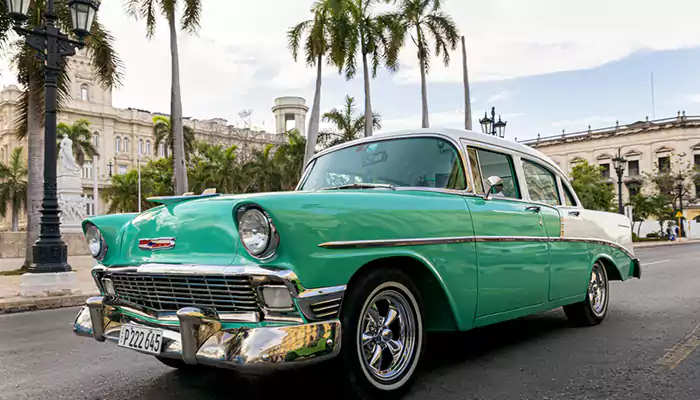
In the 1950s and 1960s, cars became more than just transportation. They represented freedom, adventure, and individuality. This was the era of the muscle car, and cars became more powerful and faster. Car designs became more expressive, and they were often adorned with bright colours, chrome accents, and tail fins. This period was marked by the rise of American car culture, which celebrated cars as a symbol of individuality and self-expression.1970s and 1980s - Focus on efficiency, safety
The 1970s and 1980s saw a shift in car design, with an emphasis on fuel efficiency, safety, and environmental concerns. This period saw the emergence of compact cars and hatchbacks, which were designed to be more practical and efficient. The designs of the cars in this period were influenced by the minimalism of the time, with simple and clean lines.Modern cars: Sustainable transportation
In recent years, car design has been influenced by technology and the need to create sustainable transportation. Car manufacturers have started to focus on electric and hybrid vehicles that are both environmentally friendly and functional. The designs of these cars reflect the need for energy efficiency and sustainability, with sleek and minimalist designs that prioritize functionality.The art of car design has evolved over the years, reflecting the cultural, social, and technological changes of the time. Cars have become more than just transportation, they are now a unique form of art that people can appreciate for their beauty and design. From the early days of practicality to the current era of sustainability, car design has continued to push the boundaries of creativity and innovation, making cars a work of art that will continue to evolve in the future.