
Traditional Medicine Practices In Vietnam
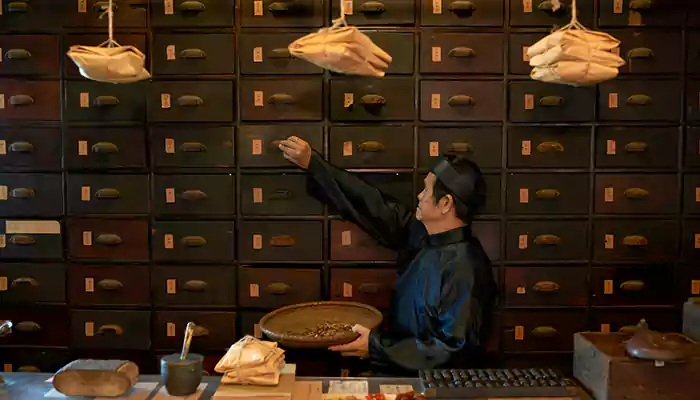
In Vietnam, traditional medicine, known locally as Y học Cổ truyền Việt Nam, Southern Herbology, or Thuốc Nam has been practiced for thousands of years and remains an integral part of Vietnamese culture and health care.
- Ishani Karmakar
- 22 August, 2023
- 2 mins ago
Traditional Medicine Practices In Vietnam
In Vietnam, traditional medicine, known locally as Y học Cổ truyền Việt Nam, Southern Herbology, or Thuốc Nam has been practiced for thousands of years and remains an integral part of Vietnamese culture and health care.
Rooted in ancient philosophies and influenced by China and neighbouring countries, these practices reflect the country's rich history and continued reliance on natural remedies.
Historical Roots
Traditional medicine in Vietnam is deeply influenced by Chinese medicine, which came into Vietnam more than two thousand years ago. Many of the principles, such as the balance of yin and yang and the flow of ‘qi’ (energy), have been incorporated and adapted to the local culture.
However, Vietnam has its indigenous medical traditions that predate Chinese influence. These practices were documented in the earliest medical texts like the 11-volume Nam dược thần hiệu, penned by 14th-century physician Tuệ Tĩnh. Yhe 18th-century physician Hải Thượng Lãn Ông authored Hải Thượng y tông tâm lĩnh. Other notable texts from before the 20th century include Nam dược chỉ danh truyền and Tiểu nhi khoa diễn Quốc âm.
Foundational Principles
Like its Chinese counterpart, Vietnamese traditional medicine emphasizes the balance between the human body and its environment. The primary foundations are:
Yin and Yang - The duality principle that every entity contains opposing forces that need to be in balance for optimal health.
Five Elements - These are wood, fire, earth, metal, and water. Each corresponds to specific organs and physiological functions.
Qi (Khi) - It's the life energy that flows through the body. Disruptions in its flow lead to disease.
The Differences
Traditional Vietnamese medicine, unlike Chinese medicine, primarily utilizes native ingredients, either fresh or simply dried, without the intricate decoctions often found in Chinese practices.
Common herbs and vegetables such as rau răm, kinh giới, cải cúc, and rau muống are incorporated. Pharmacological properties of flowers like Magnolia champaca and Jasminum sambac are also tapped. Animal products in concoctions, like silkworms, is rare, but utilized. The medicinal approach isn’t limited to ingestible remedies; ointments, poultices, and steaming therapy (xông hơi) are also employed.
Popular Traditional Practices
Herbal Medicine
Vietnam boasts a diverse range of flora. An estimated 13,200 species of plants are found, out of which about 3900 species of flora and 400 of fauna are used for medicinal purposes.
Acupuncture and Acupressure
These practices, known as "châm cứu," involve inserting needles or applying pressure to specific points on the body to correct imbalances and restore health.
Cupping Therapy
This involves placing heated cups on the skin to create a vacuum. It's believed to stimulate the flow of energy and remove toxins from the body.
Moxibustion
Here, dried mugwort is burnt near specific acupuncture points to warm regions and meridian points in order to stimulate circulation and promote a smoother flow of blood and qi.
Integration with Modern Medicine
According to the World Health Organization, up to 80% of Vietnam's population has used traditional medicine in their lifetime. Recognizing its significance, the Vietnamese government has supported its integration into the healthcare system. There are now over 50 traditional medicine hospitals and more than 400 traditional medicine departments in general hospitals across the country.
Moreover, Vietnam’s Ministry of Health has been proactive in ensuring the quality of traditional medicine training. As of 2021, there are multiple universities and colleges offering undergraduate and postgraduate programs in traditional medicine, ensuring that this ancient practice meets modern standards.
Economic and Cultural Impacts
The traditional medicine industry has grown into a multi-million dollar sector. This boom is driven by both domestic demand and a rise in international interest.
Culturally, traditional medicine is more than just remedies and practices. It's a reflection of Vietnam's values, beliefs, and connections with nature. Festivals, like the First Full Moon Festival, often incorporate traditional medicine practices, emphasizing their continued importance in daily life