
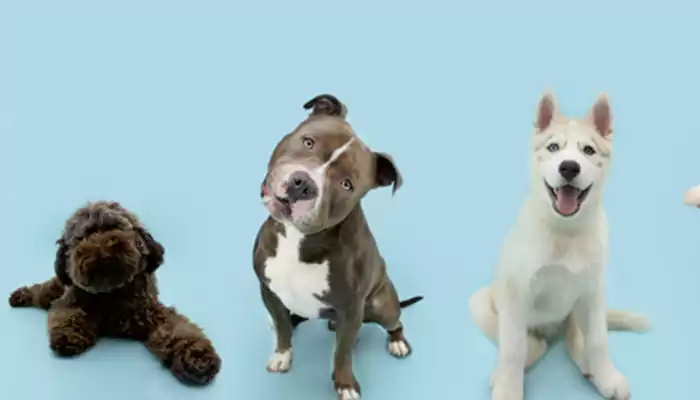
Understanding Pet Behaviour: Decoding Your Pet's Body Language
Understanding your pet's body language is an essential aspect of responsible pet ownership.
Pets, whether they are cats, dogs, or other furry companions, have a unique way of communicating with us. While they may not speak our language, they express their thoughts and emotions through their body language. As responsible pet owners, it is crucial to understand and interpret these cues to ensure a strong bond and provide the best care for our beloved animals.
Tail Wagging: More than Just Happiness
One of the most recognizable and often misunderstood signs of pet behaviour is tail wagging. While it is commonly associated with happiness and friendliness, its meaning can vary depending on the pet and the context. For dogs, a wagging tail can indicate excitement, joy, or even anxiety. The speed, height, and direction of the wag can provide additional insights into your dog's emotional state. For cats, a tail held upright and vibrating slightly could signify a friendly greeting, while a puffed-up tail usually indicates fear or aggression.Ear Position: Listening to Their Emotions
Pets' ears are incredibly expressive and can reveal a lot about how they are feeling. When a dog's ears are relaxed and facing forward, they are likely feeling calm and friendly. However, if the ears are pinned back against the head, it suggests fear, anxiety, or submission. Cats, on the other hand, may rotate their ears towards various sounds or situations they are observing, reflecting their alertness and curiosity.Eye Contact: Love or Discomfort?
Direct eye contact between humans is often seen as a sign of trust and affection, but it is not always the same for pets. In the animal kingdom, staring can be perceived as a threat or a challenge, especially among dogs. A relaxed, soft gaze usually indicates affection and trust, while prolonged staring might be interpreted as a potential threat. Cats, being more independent, may also communicate their mood through eye contact. Slow blinking is often considered a sign of contentment and a display of trust.Paw Gestures: Extending a Message
Paw gestures can be endearing and meaningful. For dogs, offering their paw could be a sign of submission, a request for attention, or a learned behaviour for treats. Cats might gently pat you to get your attention or playfully extend their paws during playtime. However, be cautious of aggressive paw swipes, which could be a warning sign that your pet is feeling irritated or anxious.Rolling Over: Vulnerability and Trust
When your pet rolls onto its back, it can evoke feelings of cuteness and trust. For dogs, this is often a display of submission and trust towards their owners. However, it is important to recognize that not all pets enjoy belly rubs, and some might feel vulnerable in this position. Cats may roll over as a sign of playfulness or to demonstrate their comfort and security in their environment.With patience, love, and attentive care, you can create a deeper connection with your pet and enrich both of your lives.